Why Solar Panels Are the Smart Choice for Affordable Energy
As the world searches for cleaner, more sustainable energy solutions, solar panels have emerged as one of the most promising technologies of our time. By converting sunlight into electricity, solar panels provide a renewable, environmentally friendly source of power that reduces dependence on fossil fuels. From homes and schools to hospitals and entire cities, solar energy is steadily transforming how we generate and consume electricity.

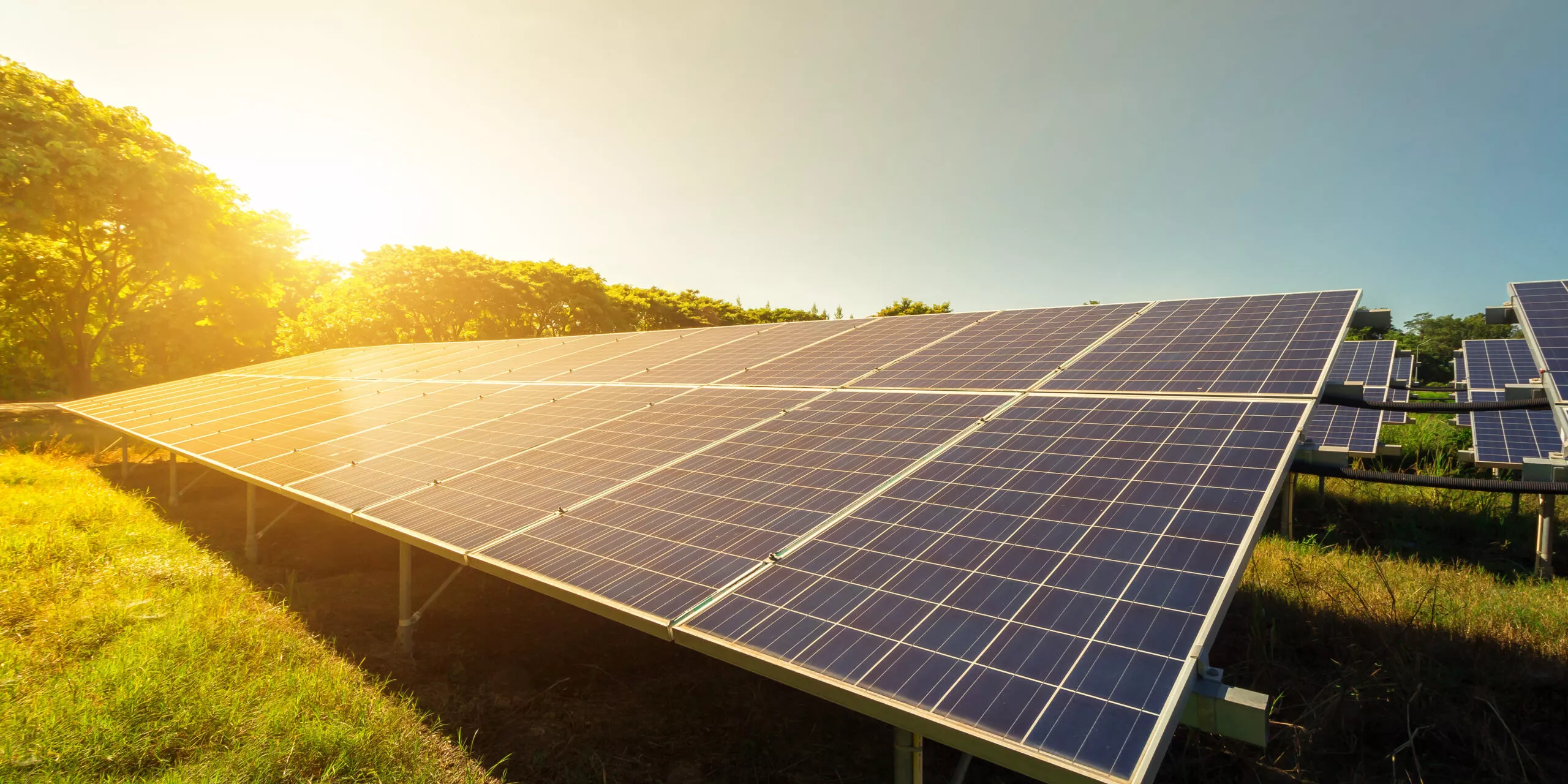
Solar-panel
What Are Solar Panels and How Do They Work?
Solar panels are devices made up of photovoltaic (PV) cells that capture sunlight and convert it into electricity. These cells are usually made from silicon, a semiconductor material. When sunlight hits the PV cells, it excites electrons, creating an electric current. This current is then converted into usable electricity through an inverter, which changes direct current (DC) into alternating current (AC) suitable for everyday use.
Solar panels can be installed on rooftops, open fields, or integrated into building designs. They work best in areas with plenty of sunlight, but modern panels are efficient enough to generate power even on cloudy days.
Types of Solar Panels
There are three main types of solar panels commonly used today:
Monocrystalline Solar Panels
These are made from a single crystal structure and are known for their high efficiency and sleek appearance. They tend to last longer and perform better in limited space, although they are usually more expensive.
Polycrystalline Solar Panels
Made from multiple silicon crystals, these panels are more affordable but slightly less efficient. They are a popular choice for residential and commercial installations.
Thin-Film Solar Panels
These are lightweight and flexible, making them suitable for unique installations. However, they are generally less efficient and require more space to produce the same amount of power.

Solar Panel
Benefits of Solar Energy
Solar panels offer numerous advantages that make them an attractive energy solution:
Renewable and Sustainable
Sunlight is abundant and will not run out, unlike fossil fuels. Solar energy is a long-term solution for meeting global energy needs.
Environmentally Friendly
Solar power produces no greenhouse gas emissions during operation, helping reduce air pollution and combat climate change.
Lower Electricity Bills
Once installed, solar panels can significantly reduce or even eliminate electricity costs. Excess energy can sometimes be stored or fed back into the grid.
Low Maintenance
Solar panels have no moving parts, making them durable and easy to maintain. Occasional cleaning and routine checks are usually sufficient.
Energy Independence
Solar power reduces reliance on national grids and fuel imports, especially in remote or off-grid areas.
Challenges and Limitations
Despite their many benefits, solar panels also have some limitations:
Initial Cost
The upfront cost of purchasing and installing solar panels can be high, although prices have dropped significantly over the years.
Weather Dependence
Solar energy production depends on sunlight, meaning output is reduced at night or during prolonged cloudy periods.
Energy Storage
Batteries are needed to store excess energy for use when sunlight is unavailable, and these can be costly.
However, advancements in battery technology and government incentives are helping to overcome these challenges.

The Role of Solar Panels in Africa and Developing Regions
In many parts of Africa, solar panels are playing a critical role in expanding access to electricity. Off-grid solar systems power homes, schools, health clinics, and businesses in rural areas where traditional electricity infrastructure is unavailable or unreliable. Solar energy supports education, healthcare, and economic growth while reducing reliance on diesel generators.
Countries with high solar potential are increasingly investing in large-scale solar farms to meet growing energy demands sustainably.
The Future of Solar Technology
The future of solar energy is bright. Ongoing research is focused on improving panel efficiency, reducing costs, and developing better energy storage solutions. Innovations such as solar roofs, transparent solar panels, and solar-powered vehicles are pushing the boundaries of what this technology can achieve.
As global awareness of climate change grows, solar energy is expected to play a central role in the transition to clean and sustainable power systems.
Conclusion
Solar panels represent more than just a source of electricity. This is because they symbolize a shift toward a cleaner, more resilient, and more sustainable future. By harnessing the power of the sun, individuals and nations alike can reduce environmental impact, lower energy costs, and promote energy independence. As technology continues to improve, solar energy will remain a key solution in meeting the world’s energy needs for