Introduction
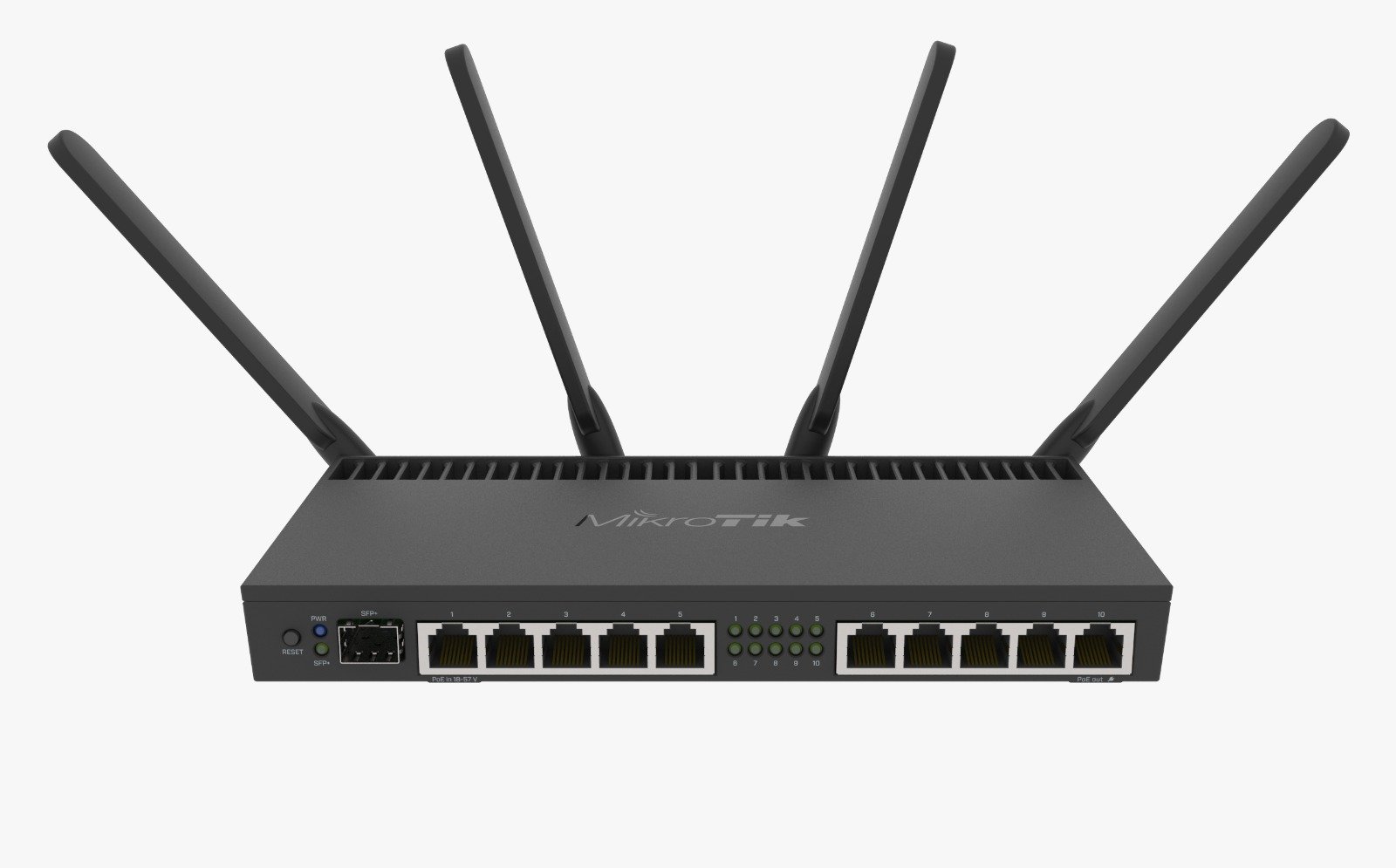
In the realm of networking solutions, MikroTik has emerged as a formidable player, offering a diverse range of routers that combine power, versatility, and cost-effectiveness. With a commitment to innovation and a global user base, MikroTik routers have become synonymous with robust networking infrastructure. In this article, we explore the features, capabilities, and reasons why MikroTik routers are garnering attention in the ever-evolving landscape of networking technology.
The Evolution of MikroTik Routers: Pioneering Connectivity Across Decades
MikroTik, founded in 1996 by John Trully, began its journey as a small company in Latvia with a vision to democratize access to high-quality networking equipment. Over the years, MikroTik has evolved into a global leader, renowned for its innovative routers and networking solutions. Let’s explore the fascinating evolution of MikroTik routers, tracing their growth from humble beginnings to becoming a driving force in the networking industry.
The Formative Years (1996-2000):
MikroTik started its journey by developing software for routers. In its formative years, the company focused on creating a proprietary operating system known as RouterOS, designed to transform standard PC hardware into powerful routers. This marked the inception of MikroTik’s commitment to innovation and the foundation for its future router offerings.
Introduction of RouterBOARD (2002):
In 2002, MikroTik introduced the RouterBOARD, a hardware platform pre-installed with RouterOS. This integrated approach made it easier for users to deploy MikroTik routers without the need to separately install the operating system. The RouterBOARD series became a cornerstone in MikroTik’s product lineup, offering a range of router models for various applications.
Wireless Innovations (Mid-2000s):
Recognizing the growing demand for wireless connectivity, MikroTik expanded its router offerings to include wireless capabilities. This marked a significant evolution, enabling users to seamlessly integrate wired and wireless networking within a single MikroTik device. The integration of wireless technologies further solidified MikroTik’s position as a versatile networking solution provider.
Feature-Rich RouterOS Enhancements (2000s – Present):
RouterOS, the proprietary operating system developed by MikroTik, has undergone continuous enhancements. Over the years, MikroTik has introduced a plethora of features and functionalities, including advanced routing protocols, Quality of Service (QoS) settings, security features, and more. This evolution has positioned RouterOS as a powerful and flexible operating system for networking professionals.
Expansion into Enterprise Solutions (2010s):
As MikroTik gained recognition for its capabilities in small to mid-sized networks, the company expanded its focus to enterprise solutions. This included the introduction of routers designed to meet the demands of larger and more complex networks. MikroTik routers, with their robust feature set and cost-effectiveness, found favor in a diverse range of industries.
Cloud-Based Management (2010s – Present):
With the advent of cloud computing and remote management trends, MikroTik adapted to the changing landscape by introducing cloud-based management solutions. This allowed administrators to remotely monitor, configure, and manage MikroTik routers, facilitating efficient network management from anywhere in the world.
5G and Beyond (Present and Future):
MikroTik continues to evolve in step with the latest technological advancements. With the rise of 5G and the ongoing transition to more advanced networking standards, MikroTik remains at the forefront. The company’s commitment to staying abreast of emerging technologies positions MikroTik routers as key players in the next era of connectivity.
Community Engagement and Support:
Throughout its evolution, MikroTik has fostered a vibrant community of users and networking professionals. The company encourages community engagement through forums, user groups, and events. This collaborative approach has not only contributed to the collective knowledge surrounding MikroTik routers but has also influenced the company’s product development based on real-world user experiences.
key features and capabilities of MikroTik routers:
MikroTik routers are renowned for their versatility and robust feature set, making them suitable for a wide range of networking applications. Whether used in small office setups, large enterprises, or service providers, MikroTik routers offer a comprehensive set of capabilities. Here are some key features and capabilities of MikroTik routers:
RouterOS Operating System:
MikroTik routers run on the RouterOS operating system, a powerful and feature-rich platform that transforms standard PC hardware into advanced routers. RouterOS provides a customizable and user-friendly interface for configuring and managing various networking functions.
Advanced Routing Protocols:
MikroTik routers support a variety of routing protocols, including RIP, OSPF, BGP, and MPLS. This makes them suitable for building complex network architectures and ensures efficient routing in diverse environments.
Quality of Service (QoS):
MikroTik routers offer extensive Quality of Service (QoS) features, allowing administrators to prioritize and control network traffic. This is crucial for ensuring optimal performance for critical applications and services.
Firewall and Security Features:
MikroTik routers come equipped with robust firewall capabilities, including stateful packet inspection, intrusion detection, and prevention systems. These features enhance network security by protecting against unauthorized access and potential threats.
Virtual Private Network (VPN) Support:
MikroTik routers support various VPN protocols, enabling the creation of secure and encrypted connections over the internet. This includes support for PPTP, L2TP, IPsec, and SSTP, providing flexibility in implementing VPN solutions.
Bandwidth Management and Traffic Shaping:
Bandwidth management features allow administrators to control and shape network traffic. MikroTik routers offer tools for managing bandwidth allocation, setting up queues, and controlling the flow of data to ensure optimal performance.
Wireless Connectivity:
Many MikroTik router models come with integrated wireless capabilities, supporting Wi-Fi standards such as 802.11a/b/g/n/ac. This allows for seamless integration of wired and wireless networking within a single device.
Hotspot and Captive Portal:
MikroTik routers can be configured as hotspot gateways, providing a convenient way to manage user authentication and access to the internet. The captive portal feature allows for the creation of customized login pages and user authentication.
Load Balancing and Failover:
MikroTik routers support load balancing across multiple internet connections, distributing traffic evenly to optimize performance. Failover capabilities ensure continuity by redirecting traffic to alternative connections in case of link failures.
Dynamic DNS (DDNS) and IP Addressing:
MikroTik routers support Dynamic DNS, allowing users to associate a domain name with a changing IP address. Additionally, they offer a range of IP addressing features, including DHCP server and client functionality.
SNMP (Simple Network Management Protocol):
MikroTik routers support SNMP, facilitating the monitoring and management of network devices. This feature is particularly useful for network administrators seeking to integrate MikroTik routers into centralized network management systems.
Scripting and Automation:
MikroTik routers support scripting and automation through tools like RouterOS scripts and the use of the Terminal. This enables administrators to automate repetitive tasks and customize the behavior of the router.
Cloud-Based Management:
MikroTik routers offer cloud-based management solutions, allowing administrators to remotely monitor, configure, and manage routers through platforms like MikroTik’s cloud service.
These capabilities collectively make MikroTik routers versatile and adaptable to a wide range of networking scenarios, from basic connectivity setups to complex enterprise environments. The flexibility, cost-effectiveness, and feature richness of MikroTik routers have contributed to their widespread adoption in the networking industry.
Conclusion:
MikroTik routers stand at the intersection of power, versatility, and cost-effectiveness, offering a compelling solution for organizations and individuals navigating the complexities of modern networking. From the robust RouterOS operating system to the diverse range of router models, MikroTik has positioned itself as a key player in the networking industry. As the demand for efficient and scalable network solutions continues to rise, MikroTik routers provide a pathway to building and managing networks that meet the diverse needs of today’s digital landscape. For those seeking a reliable and feature-rich networking solution, MikroTik routers represent a journey into the future of connectivity.