In the world of modern networking, Ubiquiti Networks has become a dominant force, especially for users who want enterprise-grade wireless performance without the enterprise-level pricing or complexity. Their UniFi Access Points (APs) are widely used in homes, businesses, schools, hotels, and even large outdoor environments.
What Makes Ubiquiti APs Different?
A Unified Ecosystem
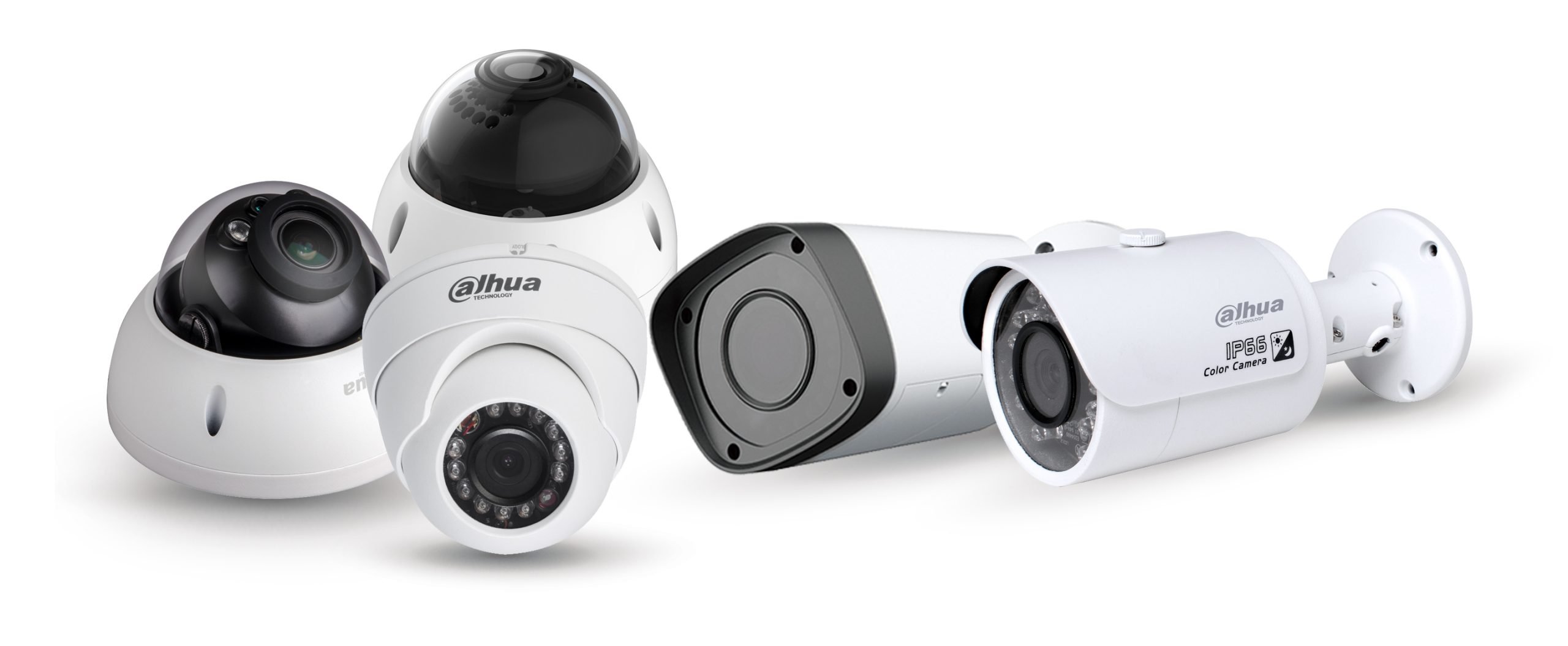
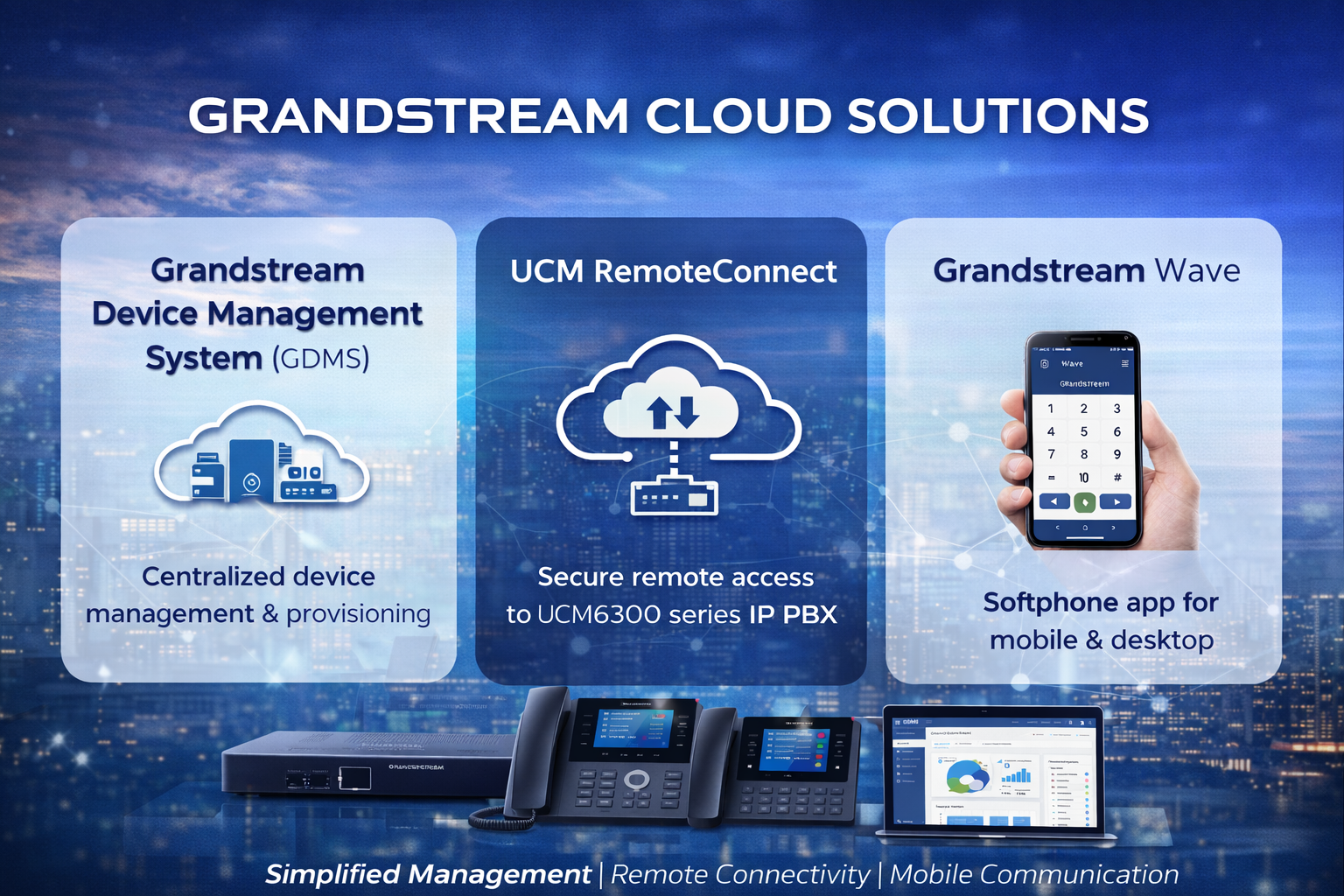
Ubiquiti APs are part of the UniFi ecosystem, a suite of networking devices (switches, gateways, cameras, VoIP phones) managed through a single, intuitive platform called the UniFi Network Controller. This allows administrators to monitor, update, and configure their entire network from one place and even remotely.
Enterprise Features, Consumer Simplicity
Ubiquiti APs offer features typically found in enterprise systems:
Seamless roaming (802.11r/k/v)
Advanced security settings
Guest portals and VLAN tagging
Band steering and load balancing
Mesh networking
Yet, they remain far easier to deploy than many traditional enterprise solutions like Cisco or Aruba.
Cost-Effective
Compared to high-end networking brands, Ubiquiti APs are priced significantly lower—while delivering similar performance and reliability. This makes them especially attractive for small businesses and technically savvy home users.
The Most Popular Ubiquiti Access Point Models
UniFi U6 Lite
Ideal for homes and small offices
Wi-Fi 6 (802.11ax) support
Compact and affordable
Extended coverage
Higher antenna gain

Great for large homes or wide-open office spaces
UniFi U7 Pro / U7 Ultra
Wi-Fi 7 support (on newer models)
Extremely high throughput
Ideal for dense or high-traffic environments (schools, event halls, hotels)

u7-pro-max
UniFi Mesh APs (U6 Mesh, U7 Mesh, FlexHD)
Designed for wireless mesh networking
Weather-resistant options for outdoor deployment
Performance Overview
Wi-Fi Speed and Reliability
Ubiquiti APs are known for delivering stable throughput even under heavy loads. Thanks to MU-MIMO, OFDMA, and beamforming, newer Wi-Fi 6 and Wi-Fi 7 models can handle dozens or even hundreds of devices with minimal interference.
Roaming Quality
For businesses or homes using multiple APs, seamless roaming ensures clients move between access points without disconnecting. This is particularly important in VoIP-based businesses or applications like video conferencing.
Coverage
Some models, especially the LR (Long Range) variants, offer impressive coverage. However, Ubiquiti correctly emphasizes that more APs at lower transmit power generally provide better performance than a single high-powered AP.
Deployment and Management
UniFi Network Controller
Ubiquiti’s controller can be run on:
Dedicated UniFi device (Cloud Key, Dream Machine)
Local PC or server
Cloud-hosted server (self-hosted)
UniFi Dream Machine router
The interface is clean and offers powerful tools:
Real-time traffic analytics
Device health monitoring
Heatmap-based coverage planning
Per-user bandwidth control
Scalability
You can start with a single AP and expand to dozens or hundreds without changing your infrastructure. All devices integrate smoothly into the controller.

Pros and Cons of Ubiquiti Access Points
Pros
Excellent price-to-performance ratio
Powerful centralized management
Great for both small and large deployments
Strong community support
Regular firmware updates
Easy-to-use interface
Cons
Not “plug-and-play” like typical consumer routers
Controller setup may feel complex for beginners
Occasional firmware bugs (common with fast-moving tech)
Some advanced features require UniFi gateway hardware for full compatibility
Ubiquiti Access Points Users
Home users who want enterprise-grade Wi-Fi
Small and medium businesses needing reliable, scalable wireless networks
Hotels, restaurants, and event spaces
Schools or corporate offices
Tech enthusiasts who want fine-grained control over their network
They may not be perfect for users who want zero configuration or who prefer traditional consumer-grade Wi-Fi systems.
Conclusion
Ubiquiti access points offer one of the best balances of performance, features, and cost in the networking world. From Wi-Fi 6 to the latest Wi-Fi 7 models, their APs consistently deliver dependable wireless connectivity with the added benefits of a unified management platform and easy scalability. Whether you’re upgrading your home network or deploying a large enterprise environment, Ubiquiti’s UniFi AP lineup is absolutely worth considering.