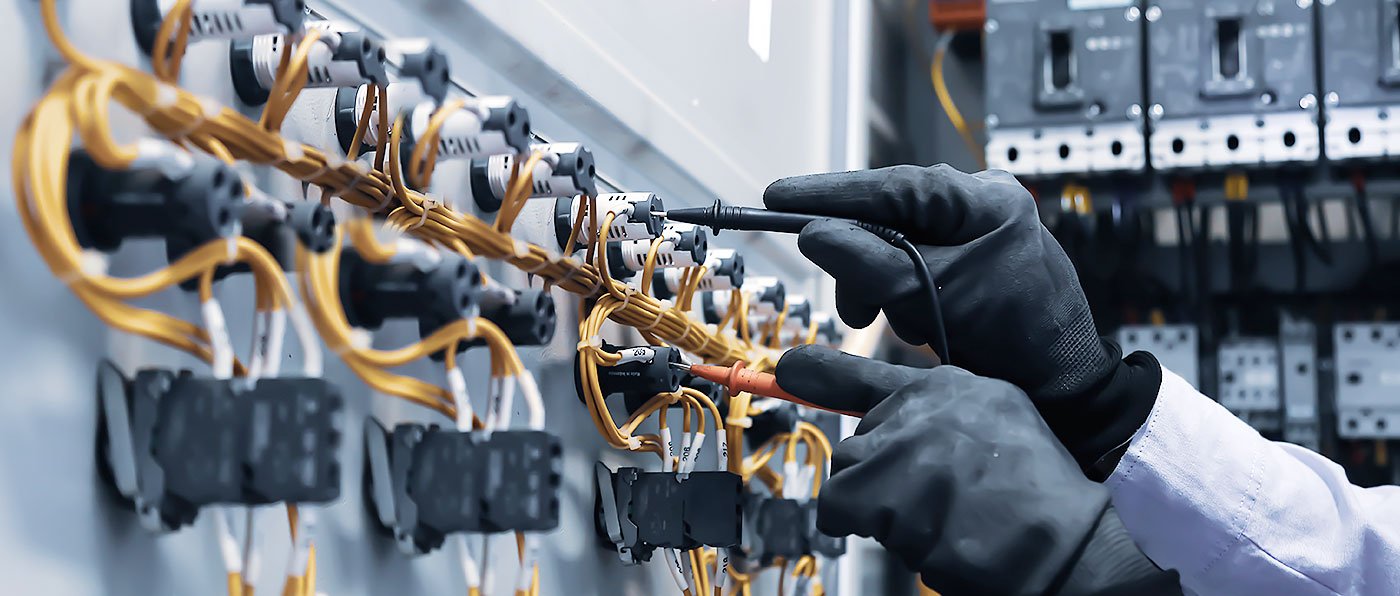
An Uninterruptible Power Supply (UPS) is one of the most critical components in any modern electrical infrastructure. Whether protecting servers in a data center, life-saving equipment in a hospital, or essential machinery in an industrial plant, UPS systems play a vital role in preventing downtime, data loss, and equipment damage during power disturbances. However, the reliability of a UPS depends heavily on one factor which is proper maintenance. UPS maintenance is essential and organizations should develop an effective maintenance strategy.
Reasons why Maintenance should be done Regularly
Prevents Unexpected Failures
Over time, UPS components and other accessories especially batteries gradually degrade. Without scheduled maintenance, your UPS may fail when you need it the most. Regular inspections ensure weak components are replaced before causing downtime.
Extends Equipment Lifespan
UPS units are significant investments. Preventive maintenance helps keep all components running efficiently, reducing strain and extending the system’s lifespan by several years.
Saves Costs
Replacing an entire UPS or dealing with unexpected outages costs far more than planned maintenance. Routine service reduces emergency repair costs and prevents expensive damage to connected equipment.
Ensures Compliance & Safety
Many industries require reliable backup power as part of regulatory standards. Regular UPS maintenance helps organizations meet compliance requirements and maintain safe working conditions.
Improves Energy Efficiency
A well-maintained UPS runs cooler and more efficiently, lowering energy consumption and reducing operational costs.
Key Components of UPS Maintenance
UPS maintenance typically includes a combination of visual inspections, performance tests, and component replacements. The main components are:
Battery Maintenance
Batteries are the heart of the UPS and the most common point of failure. Maintenance involves:
Checking battery health and voltage levels
Inspecting for swelling or corrosion

Batteries Replacement
Testing discharge capacity
Cleaning terminals
Ensuring proper temperature and ventilation
Replacing batteries every 3 to 5 years is often recommended depending on usage and environment.
Internal Electronics Inspection
Technicians inspect internal UPS parts, such as:
Capacitors
Fans
Rectifiers
Inverters
Circuit boards
These components may show signs of wear, overheating, or electrical stress that need attention.
Environmental Inspection
The UPS environment affects performance. Maintenance includes checking:
Room temperature and humidity
Dust levels and ventilation
Cable connections
Load capacity and distribution
A clean, cool, and well-ventilated space is essential for optimal UPS performance.

Firmware & System Updates
Manufacturers often release UPS firmware updates that improve performance or address known issues. Keeping firmware up-to-date ensures the system runs safely and efficiently.
Types of UPS Maintenance
Preventive Maintenance (PM)
Scheduled inspections performed monthly, quarterly, or annually depending on system size and criticality. This reduces risk and ensures early detection of problems.
Predictive Maintenance
Uses smart monitoring tools to track UPS performance in real time. Predictive analytics alerts technicians before a failure occurs, allowing proactive servicing.
Corrective Maintenance
Performed when the UPS develops a fault or stops working. Although necessary, corrective maintenance is costly and disruptive, highlighting the importance of preventive care.
Developing an Effective UPS Maintenance Plan
To maximize reliability, organizations should:
Conduct regular inspections based on manufacturer recommendations
Use qualified UPS technicians for all servicing
Monitor battery health continuously
Document all maintenance activities for compliance
Keep spare parts available for critical sites
Perform annual load bank testing to verify actual runtime performance
A tailored maintenance plan ensures uninterrupted power protection and extends the life of your UPS system.
Conclusion
UPS maintenance is not just a technical requirement but also a critical component of business continuity. A well-maintained UPS guarantees that essential systems remain operational during power disturbances, protects valuable equipment, and minimizes costly downtime. By implementing a preventive and proactive maintenance strategy, organizations can ensure their UPS systems deliver the reliability they are designed for.