Introduction
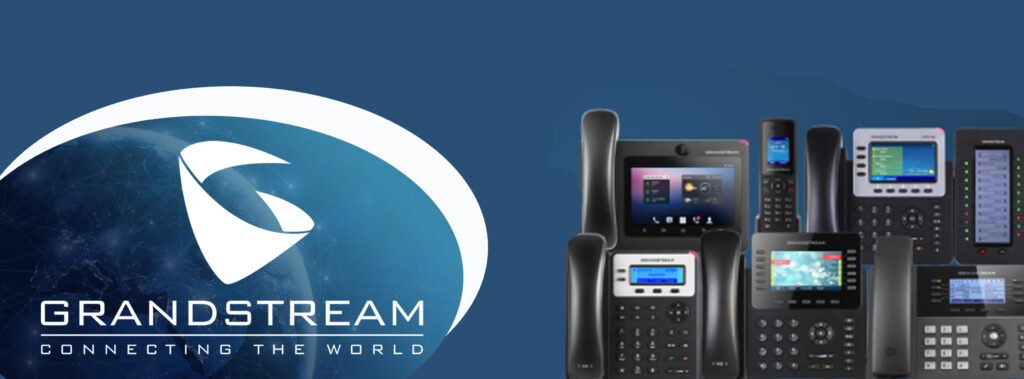
Grandstream is a well-established brand known for delivering high-quality VoIP solutions for businesses of all sizes. Two of their most popular product lines are the GXP Series and the GRP Series of IP phones. While both are reliable and offer excellent features, they are designed for slightly different audiences and use cases. In this article, we will take a deep dive into both series, comparing their design, functionality, features, and ideal use scenarios to help businesses make informed decisions.
Overview of Grandstream GXP Series
The GXP Series of IP phones by Grandstream is considered their more traditional and long-established line of business phones. Designed to offer cost-effective VoIP communication solutions, the GXP series includes a wide range of models catering to everyone from entry-level employees to executive users.
Key Features of GXP Series:
- HD Audio on speaker and handset
- Dual-switched auto-sensing 10/100Mbps or Gigabit Ethernet ports
- Support for multiple SIP accounts (3 to 6 depending on the model)
- Built-in PoE support (in selected models)
- Full-color displays (in higher-end models)
- Integrated Bluetooth in some models
Popular Models:
- GXP1610/1615 – Entry-level, ideal for basic call handling
- GXP1782 – Mid-range, supports 8 lines and Gigabit ports
- GXP2170 – High-end, executive-level phone with up to 12 lines, color screen, and support for expansion modules
Overview of Grandstream GRP Series
The GRP Series is Grandstream’s latest and most advanced line of IP phones. Marketed as “carrier-grade,” the GRP series is specifically designed for mass deployment, enterprise use, and cloud provisioning. With a sleek modern design and enhanced security features, these phones are built with the future in mind.
Key Features of GRP Series:
- Unified firmware and interface for all models
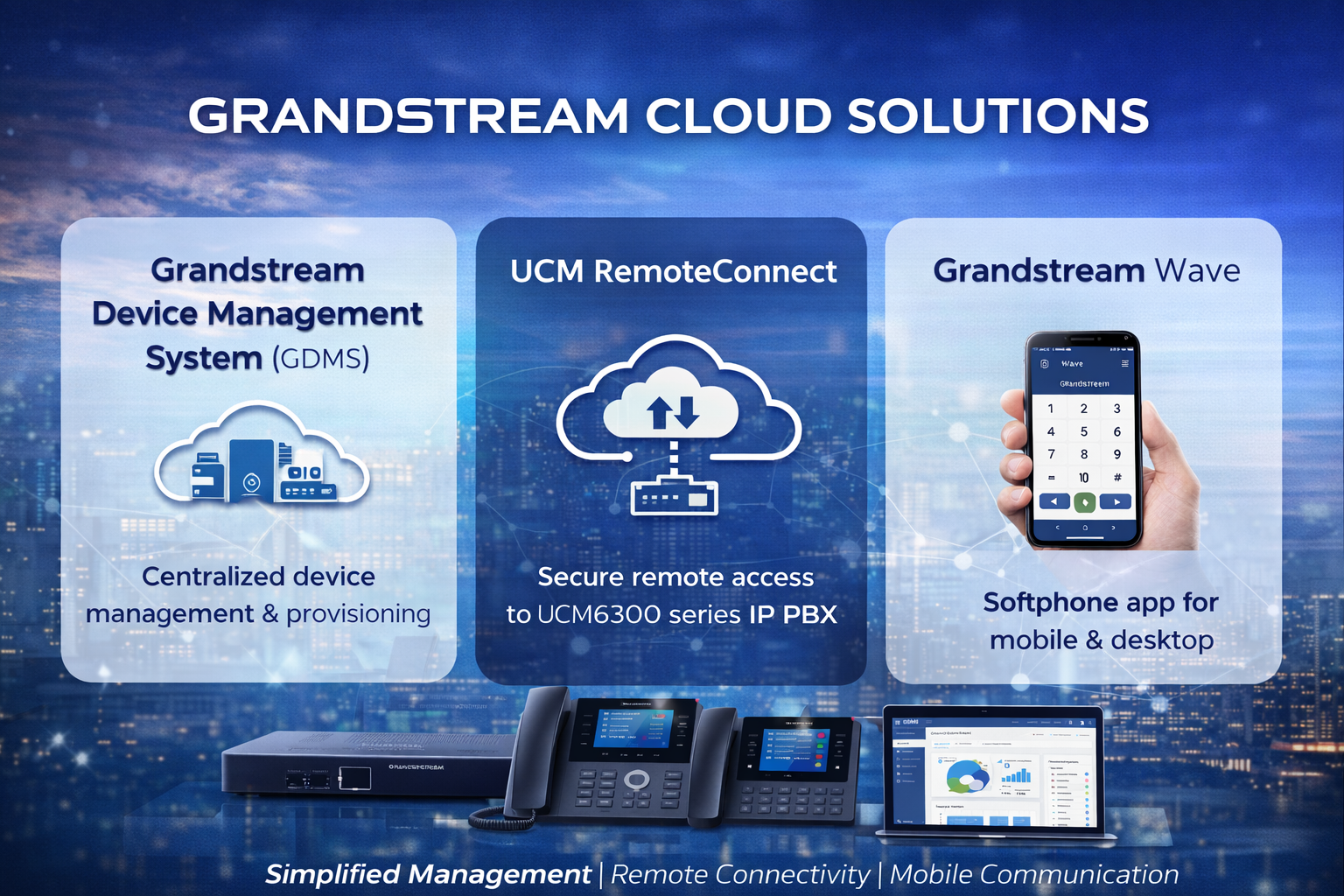
- Zero-touch provisioning via Grandstream Device Management System (GDMS)
- Enterprise-level security including dual firmware images, encrypted data storage
- Support for 2 to 6 SIP accounts (depending on model)
- Gigabit ports on all models
- Built-in dual-band Wi-Fi and Bluetooth in select models
- HD Audio, Noise Shield Technology
Popular Models:
- GRP2601/2602 – Entry-level, suitable for SMBs
- GRP2612/2613/2614 – Mid-range models with LCD display and more line support
- GRP2615 – High-end model with 4.3-inch color screen, 10-line keys, integrated Wi-Fi & Bluetooth
Comparison Table: GXP vs. GRP
| Feature | GXP Series | GRP Series |
| Release | Earlier generation | Newer generation |
| Target Audience | SMBs, general office use | Enterprises, service providers |
| Firmware | Model-specific | Unified firmware |
| Provisioning | Manual or semi-auto | Zero-touch via GDMS |
| Security | Standard | Enhanced (TLS, SRTP, dual firmware) |
| Display | Varies from B/W to color | All have modern LCD/Color screens |
| Bluetooth/Wi-Fi | Limited to high-end models | Available in many models |
| Audio | HD Audio | HD Audio + Noise Shield |
| Expansion Modules | Yes (for some models) | Yes (for high-end models) |

Grandstream ip phone
Detailed Feature Comparison
Design & Build Quality
The GRP series boasts a more refined and modern look with better ergonomics, making it suitable for modern office environments. GXP phones, while sturdy and functional, have an older aesthetic that may not appeal to users looking for a more contemporary interface.
User Interface
GRP phones feature a unified, modern interface that is easier to navigate and consistent across models. GXP phones have model-specific interfaces, which can make managing a large fleet slightly more complex.
Deployment and Provisioning
This is where the GRP series shines. With GDMS, administrators can remotely manage, configure, and update all phones in the fleet from the cloud. GXP phones usually require manual or on-site provisioning, which increases labor and time, especially in large-scale deployments.
Security Features
GRP phones offer enterprise-grade security out of the box—featuring dual firmware images, encrypted configuration files, and TLS/SRTP encryption. GXP models offer standard SIP security but lack the robust protective measures that the GRP series provides.
Connectivity
In GRP models, features such as built-in Wi-Fi and Bluetooth are more widely available. In the GXP lineup, these are reserved for premium models. Additionally, all GRP phones support Gigabit Ethernet, while only selected GXP phones do.
Audio Quality
Both series offer HD audio, but the GRP series adds Noise Shield Technology which helps eliminate background noise during calls—critical for busy environments or call centers.
Support for Future Expansion
The GRP series is designed to be future-proof, with full support for firmware upgrades, cloud integration, and expansion modules for reception or executive desks. GXP phones, while still reliable, may not receive the same level of long-term firmware support.
When to Choose GXP Series
- Budget constraints are a priority
- Small to medium business with limited users
- Local provisioning is manageable
- No need for advanced security or cloud management
When to Choose GRP Series
- Enterprise-scale deployment
- Need for zero-touch provisioning & remote management
- Higher security requirements
- Modern office environments
- Planning for scalability
Conclusion
Both the Grandstream GXP and GRP series are capable IP phone lines offering excellent value for money. The GXP Series remains a solid choice for businesses that need reliable communication without the frills, especially for cost-sensitive deployments. The GRP Series, on the other hand, is built for the modern business—with cloud provisioning, enhanced security, and scalability at its core.
If you’re deploying phones for a growing enterprise, managing devices across different sites, or want a more modern user experience, the GRP Series is the better long-term investment. However, for simpler setups or lower budgets, the GXP Series still delivers where it matters most—clear communication and reliability.
Need Help Choosing the Right Grandstream Phone for Your Office? Contact technologystudio today for expert advice, supply, and installation of Grandstream VoIP solutions tailored to your business needs.