In today’s fast-evolving digital landscape, biometric technology has become an essential tool for secure identity management. Among the most widely adopted biometric solutions are fingerprint scanners, which are now playing a central role in various sectors, including Social Health Authority (SHA) programs and insurance registration processes.
Why Fingerprint Scanners?
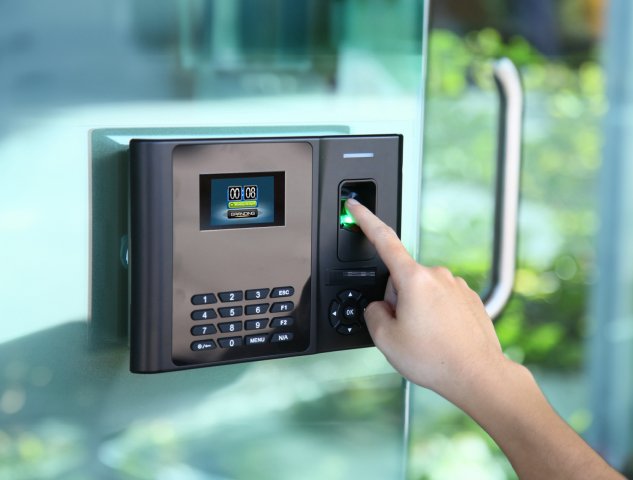
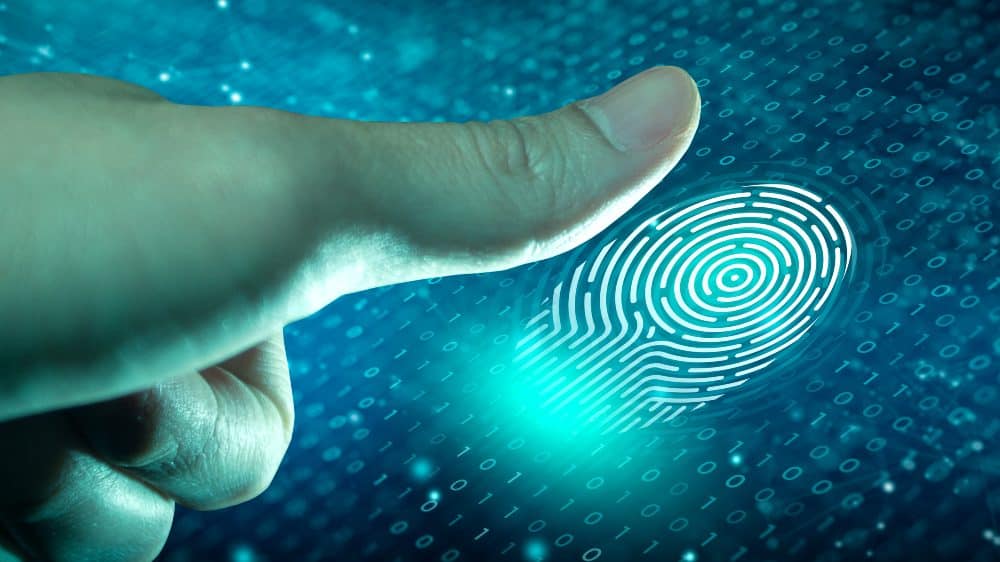
Fingerprint scanners provide a fast, reliable, and accurate way to verify individual identity. Unlike passwords, PINs, or physical ID cards, fingerprints are unique, difficult to duplicate, and cannot be lost and this therefore makes them highly effective for preventing fraud and ensuring that only the rightful beneficiary can access services.

Fingerprint Scanners in SHA Registration
Social Health Authority (SHA) initiatives aim to provide accessible and affordable healthcare to citizens. Fingerprint scanners are integrated into the registration process to:
Authenticate identity-Ensure that each individual is uniquely identified to avoid duplicate records.
Prevent fraud -Eliminate cases of multiple enrollments or misuse of healthcare benefits.
Simplify access-Patients can use their fingerprints as proof of identity at hospitals, clinics, and pharmacies without the need for physical documents.
Build accurate databases – Governments and health institutions can maintain reliable records for planning, monitoring, and delivery of health services.
Fingerprint Scanners in Insurance Registration
Insurance companies also rely on fingerprint biometrics to improve trust and efficiency in their operations. By using scanners during registration, insurers can:
Verify customer identity instantly – Ensuring policies are registered under genuine individuals.
Reduce fraudulent claims – Fingerprint authentication helps prevent impersonation and ghost claims.
Enhance customer experience – Clients can register faster without cumbersome paperwork.
Secure digital records – Biometric data, when integrated with insurance management systems, supports safe and traceable record-keeping.
Factor to consider when choosing one.
How many people will be enrolling/verified everyday? If large numbers, the speed, security and ability to cope with dirty / wet / rough fingerprints matter (so ZK9500 might pay off).
What’s your budget per deviceinitial investment + maintenance + software/security?
How secure does the system need to be? If fraud or identity theft risk is high, having live detection & encrypted storage becomes more important.
Environment: Will registration happen in bright sunlight, with dusty hands, or in indoor offices? The tougher the environment, the more rugged features like on the ZK9500 will be helpful.
Support: drivers, SDK availability, how easy it is to integrate into your existing registration systems.
Popular Fingerprint Scanners for SHA & Insurance Use
Several fingerprint scanners are designed specifically for enrollment and verification in healthcare and insurance sectors. Commonly used models include:
ZKTeco ZK9500 – USB-based scanners suitable for bulk registrations.

SecuGen Hamster Pro Series – Known for accuracy and compatibility with various systems.
Suprema BioMini Series – Offers high-resolution scanning for both registration and verification.

Crossmatch DigitalPersona – Widely adopted in government and enterprise-level identity programs.
Pros of using Fingerprint-Based Registration
Accuracy: Eliminates duplicate or false records.
Convenience: Quick and paperless verification.
Cost-effectiveness: Reduces losses from fraud.
Trust: Builds credibility between institutions and users.
Cons of using Fingerprint-Based Registration
Technical Issues: Scanners may not work properly if the device malfunctions or power/internet is down.
Poor Fingerprint Quality: Some people (e.g., elderly or manual laborers) may have worn-out fingerprints that are harder to scan.
Privacy Concerns: Biometric data must be stored securely; if misused, it can raise privacy risks.
Initial Cost: Setting up fingerprint systems can be expensive for organizations.
Hygiene: Many people touching the same scanner may be a concern in hospitals or crowded offices.
Conclusion
Fingerprint scanners are no longer optional tools—they are now critical components in modern identity management for SHA and insurance registration. By integrating biometric authentication, organizations can ensure security, transparency, and efficiency while offering citizens and clients a smoother registration and service access experience.