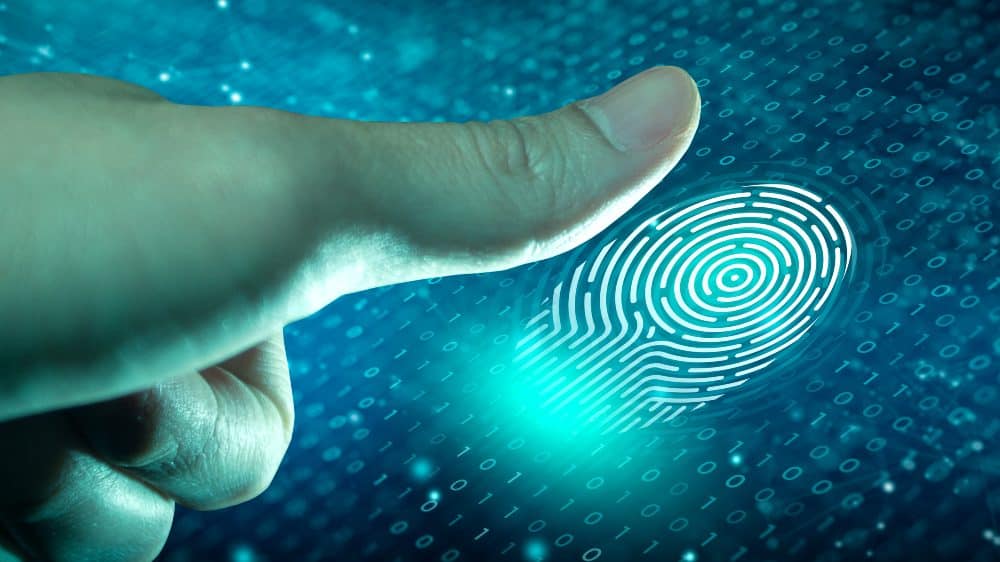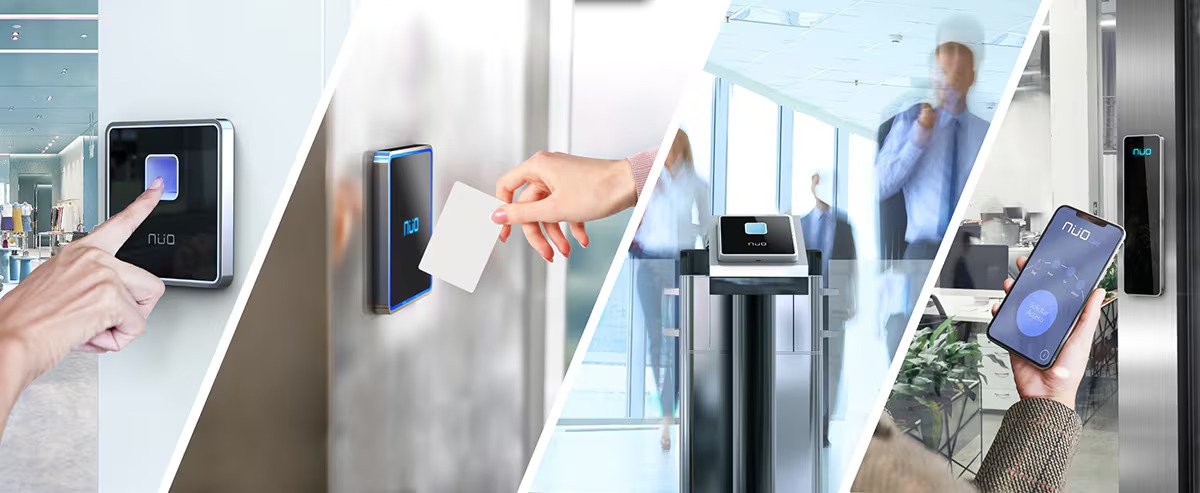
Biometric access control solutions have transformed modern security systems by replacing traditional keys, cards, and PINs with advanced identity verification methods. Through unique physiological traits such as fingerprints, facial recognition, and iris scanners, biometric technology ensures only authorized individuals gain access to restricted areas. This increases accuracy, reduces fraud, and enhances overall operational security.
What Is Biometric Access Control?
Biometric access control is a security system that uses human biological characteristics to verify identity before granting access to doors, buildings, or digital systems. Since biometric data is unique to each person, it provides a higher level of authentication than physical tokens or passwords that can be lost, stolen, or shared.

How Biometric Access Control Works
The biometric access process involves four main stages:
Enrollment: A user’s biometric data (e.g., fingerprint or facial image) is captured and securely stored in the system.
Verification: When the user requests access, the system scans their biometric feature again.
Matching: The system compares the new scan to the stored data to confirm the user’s identity.
Access Decision: If the biometric data matches, access is granted; otherwise, it is denied.
This process ensures only authorized individuals can gain entry to restricted zones or syst
Benefits of Biometric Access Control Solutions
Enhanced Security
Impossible to duplicate biometric identifiers, minimizing identity fraud risks.
Convenience
No need for cards or codes. Users simply present their biometrics.
Accurate Monitoring
Records precise entry and exit logs, improving workforce management.
Cost-Effective in the Long Run
Reduces cost associated with lost or damaged access cards and manual security operations.
Seamless Integration
Can integrate with CCTV, time attendance systems, alarms, and smart building technology.

Biometric Access control Terminal
Applications Across Industries
Biometric access control systems are widely deployed in multiple sectors:
Corporate offices
Banks and financial institutions
Schools and universities
Government facilities
Healthcare centers
Smart homes and apartments
Industrial and manufacturing plants
These environments require strict access control to protect people, assets, and data.
Choosing the Right Biometric Access Control System
When selecting a suitable biometric security solution, organizations should consider:
Traffic volume and user capacity
Type of biometric technology required for security level
Scalability for future expansion
Speed and accuracy of verification
Integration compatibility with existing security systems
Data protection compliance such as GDPR standards
Popular Biometric Access Control Brands
Some leading brands providing reliable biometric access control solutions include:
ZKTeco: ZK K40 Biometric Fingerprint Terminal for Time Attendance, F18 terminal, V3L and V5L terminals

Biometric Access control Terminal
Hikvision: DS-K1T904AMF, DS-K1A8503MF-B(O-STD) BLACK and DS-K1T805MBFWX Hikvision – Access Control Terminals
Suprema: BioEntry P2 Compact IP Fingerprint Device BEP2-OD Fingerprint reader, Suprema BSL2-OM BioStation L2 Compact RFID Card & Fingerprint Reader
Future Trends in Biometric Security
The biometric industry continues to evolve with groundbreaking innovations. Artificial intelligence enhances recognition speed and accuracy, while cloud-based deployments support remote management across multiple locations. Mobile biometric access control using smartphones is also on the rise, offering convenience through secure apps and Bluetooth/NFC technology.
Conclusion
Biometric access control solutions offer unmatched security, operational efficiency, and user convenience. As security threats continue to rise, businesses and institutions need advanced access control technologies that guarantee only authorized personnel gain entry. Investing in biometric systems is a future-proof way to strengthen facility protection and build smarter, safer environments.