The Importance of Time and Attendance Systems in Modern WorkplacesIn today’s fast-paced business environment, managing employee time effectively is critical to ensuring productivity and maintaining compliance. Time and attendance systems provide organizations with an efficient way to track when employees start and end their work, breaks, overtime, and absenteeism.
Why Time and Attendance Matters
Accuracy in Payroll
Manual tracking often leads to errors and disputes. Automated time attendance solutions ensure that working hours are accurately recorded, which helps in processing payroll without discrepancies.
Increased Productivity
With clear insights into attendance patterns, managers can identify late arrivals, early departures, or absentee trends. This data helps in streamlining schedules and improving workforce efficiency.
Compliance and Labor Laws
Many industries are required to comply with labor regulations regarding working hours, overtime, and leave management. A proper time attendance system ensures compliance and reduces the risk of legal issues.
Cost Savings
By reducing time theft (e.g., buddy punching) and minimizing administrative overhead, businesses save both time and money.
Flexibility and Integration
Modern attendance systems integrate seamlessly with HR, payroll, and access control solutions. They also support flexible work arrangements such as remote work, hybrid models, or shift-based schedules.
Types of Time and Attendance Systems
In Kenya (and generally East Africa), you’ll find several types of time attendance terminals available locally, depending on budget, technology, and workplace needs. Here’s a breakdown of the most common types:
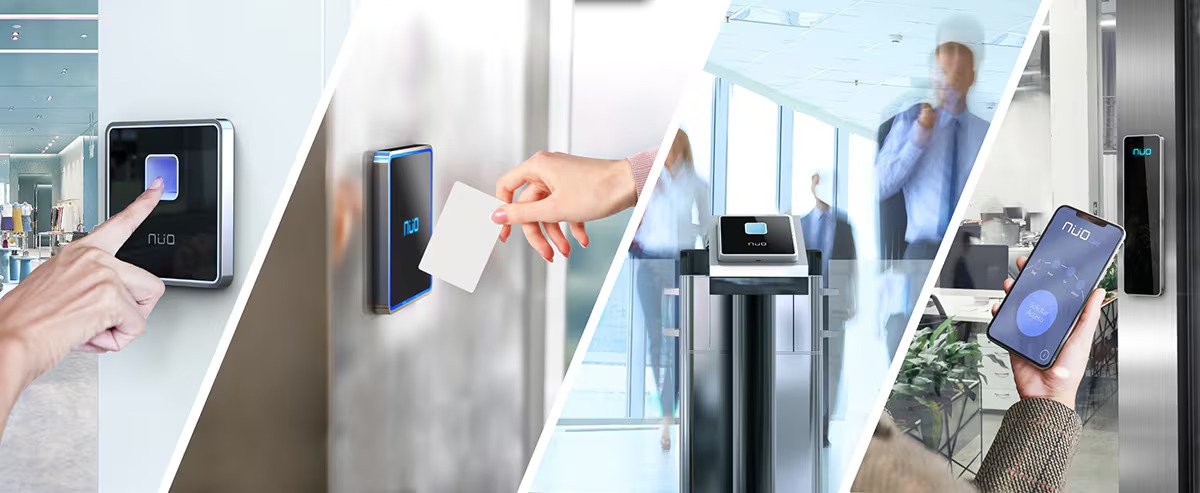
Biometric Terminals
These are the most widely used because they are accurate and prevent “buddy punching.”
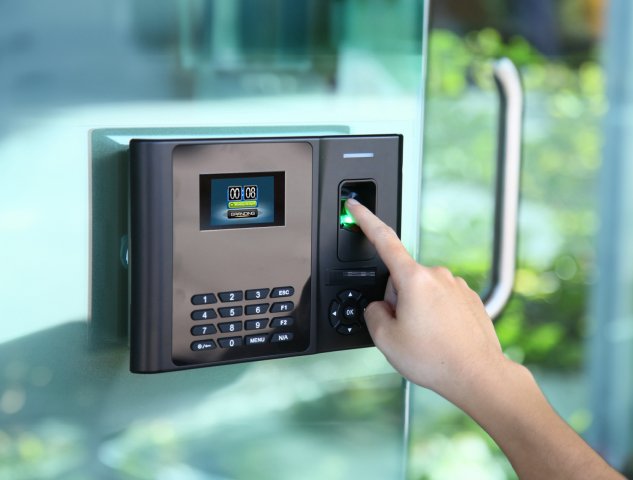
Fingerprint Terminals
Most common, affordable, and reliable.

K40
Examples: ZKTeco K40, ZKTeco U160-C, Suprema BioStation series.
Face Recognition Terminals
Touchless, faster, and useful in high-traffic areas.
Popular after COVID due to hygiene concerns.
Examples: ZKTeco MB360, Hikvision DS-K1T341A

DSK1T341A Series
, Suprema FaceStation 2.
Palm/Vein Recognition
More advanced and secure but less common locally.
Found in high-security organizations.
RFID / Proximity Card Terminals
Employees clock in/out by tapping a card or tag.
Good for environments where biometrics may not work (e.g., dusty or industrial sites).
Examples: ZKTeco SC403, Hikvision DS-K1T802 series.
PIN / Password Terminals

Employees enter a personal code.
Low cost but less secure (can be shared).
Usually combined with biometrics or RFID.
Mobile / App-Based Attendance
Works via smartphone apps with GPS or Wi-Fi verification.
Useful for remote teams, sales staff, and field workers.
Some local providers integrate these with biometric terminals.
Hybrid / Multi-Modal Terminals
Combine biometrics + RFID + PIN in one device.
More flexible and suitable for organizations with mixed workforce needs.
Examples: ZKTeco MB460, Hikvision hybrid terminals.
Choosing the Right System
When selecting a time and attendance solution, organizations should consider:
The size of their workforce.
Integration with existing HR and payroll systems.
Security features.
Reporting and analytics capabilities.
Ease of use for both employees and administrators.
Conclusion
Time and attendance systems are no longer just administrative tools; they are strategic assets that help organizations improve efficiency, cut costs, and ensure compliance. By adopting modern solutions, businesses can create a more transparent and productive workplace.